
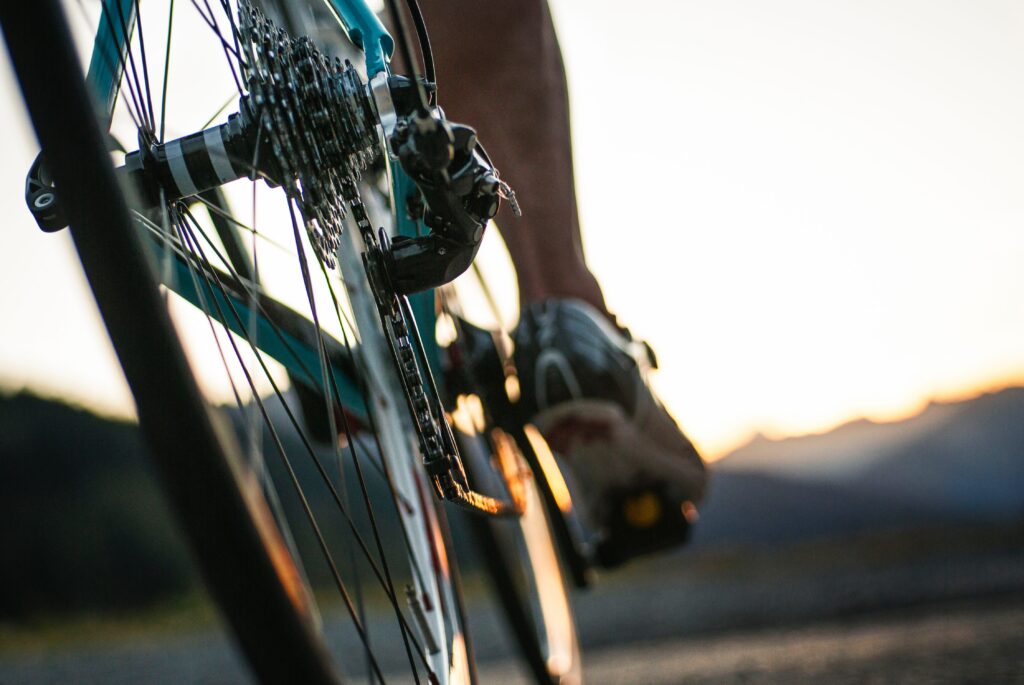

Did you know that May was National Bicycle Safety Month? Although late, I figured that an article on bicycle safety would be a good topic for this week.
Here are a few sobering statistics:
• In 2024, 1,103 bicyclists were killed in traffic crashes.
• In 2024, an estimated 52,887 bicyclists were injured in traffic crashes.
Overview
• Bicycles are considered vehicles, which means bicyclists are required to follow the same rules of the road as drivers, and drivers should treat them as they would other vehicles.
For drivers
• People on bicycles have the same rights and responsibilities as people behind the wheel of a vehicle.
• Yield to bicyclists as you would to motorists and do not underestimate their speed. This will help avoid turning in front of a bicyclist traveling on the road or sidewalk, often at an intersection or driveway.
• In parking lots, at stop signs, when backing up, or when parking, search your surroundings for other vehicles, including bicycles.
• Drivers turning right on red should look to the right and behind to avoid hitting a bicyclist approaching from the right rear. Stop completely and look left-right-left and behind before turning right on red.
• Obey the speed limit, reduce speed for road conditions, and drive defensively to avoid a crash with a cyclist.
• Give cyclists room. Do not pass too closely. Pass bicyclists as you would any other vehicle when it’s safe to move over into an adjacent lane.
• If you see a bicyclist, maintain a safe distance: Bicyclists are most often killed by drivers who strike them with the front of their vehicles, often at high speeds. The higher the vehicle speed, the higher the likelihood that a bicyclist will be seriously injured or killed.
For bicyclists
• Just like seat belts help save lives in a motor vehicle crash, bicycle helmets save lives, too. When biking, always wear a correctly fitting helmet.
• Compared to vehicles, bicyclists are harder to see because of their smaller size. To make it easier for drivers to see you, have reflectors and lights on your bike, and wear retroreflective and bright clothing.
• Bicyclists ride in the same direction as traffic and obey street signs, signals, and road markings, just like a vehicle. Never text, listen to music, or do anything that can distract you from keeping your eyes, ears, and concentration on the road and traffic.
Decreasing risk of crashes
• There are two main types of crashes: the most common (falls), and the most serious (the ones with cars). Regardless of the reason for the crash, prevention is the name of the game. There are things you can do to decrease your risk of a crash. First, know some of the latest bicycle safety facts:
• Bicyclist deaths are highest during the summer months between June and September.
• Nearly three-quarters of all bicyclist deaths occur in urban areas.
• Failing to yield the right of way is the highest factor in fatal bike crashes, followed by bicyclists not being visible.
• Ride responsibly and remember: All states require bicyclists on the roadway to follow the same rules and responsibilities as motorists.
• Ride a bike that works — it really doesn’t matter how well you ride if the brakes don’t work.
• Wear equipment to protect you and make you more visible to others, like a bike helmet, bright clothing (during the day), reflective gear, and a white front light and red rear light and reflectors on your bike (at night, or when visibility is poor).
• Ride one per seat, with both hands on the handlebars, unless signaling a turn.
• Carry all items in a backpack or strapped to the back of the bike.
• Tuck and tie your shoelaces and pant legs so they don’t get caught in your bike chain.
• Plan your route — if driving as a vehicle on the road, choose routes with less traffic and slower speeds. Your safest route may be away from traffic altogether, in a bike lane or on a bike path.
• Drive defensively — focused and alert
• Be focused and alert to the road and all traffic around you; anticipate what others may do, before they do it. This is defensive driving, the quicker you notice a potential conflict, the quicker you can act to avoid a potential crash:
• Drive with the flow, in the same direction as traffic.
• Obey street signs, signals, and road markings, just like a car.
• Assume the other person doesn’t see you; look ahead for hazards or situations to avoid that may cause you to fall, like toys, pebbles, potholes, grates, train tracks.
• No texting, listening to music or using anything that distracts you by taking your eyes and ears or your mind off the road and traffic.
Drive predictably
• By driving predictably, motorists get a sense of what you intend to do and can react to avoid a crash.
• Drive where you are expected to be seen, travel in the same direction as traffic, minimize blind spots and signal and look over your shoulder before changing lane position or turning.
• Avoid or minimize sidewalk riding. Cars don’t expect to see moving traffic on the sidewalk and don’t look for you when backing out of a driveway or turning. Sidewalks sometimes end unexpectedly, forcing the bicyclist onto the road when a car isn’t expecting to look for a bicyclist.
If you must ride on the sidewalk, remember to:
• Check your law to make sure sidewalk riding is legal; I did notice that downtown Brookings has areas that are marked no bicycle riding.
• Watch for pedestrians.
• Pass pedestrians with care by first announcing “on your left” or “passing on your left” or using a bell.
• Ride in the same direction as traffic. This way, if the sidewalk ends, you are already riding with the flow of traffic. If crossing a street, motorists will look left, right, left for traffic. When you are to the driver’s left, the driver is more likely to see you.
• Slow and look for traffic (left-right-left and behind) when crossing a street from a sidewalk; be prepared to stop and follow the pedestrian signals.
• Slow down and look for cars backing out of driveways or turning.
Stay cool this summer and keep an eye on the sky.
Leave a Reply