
PIERRE The South Dakota Department of Health reported the death Friday of a child due to a co-infection of pertussis and influenza, the states first child pertussis death since 2023.
I, along with everyone at the Department of Health, extend our heartfelt condolences to the grieving family during this unimaginable loss, said Department of Health Secretary Melissa Magstadt in a news release.
The release did not divulge any further details about the child.
South Dakota is experiencing pertussis cases, which is also known as whooping cough, in multiple communities including last fall in Brookings and influenza activity statewide, the department said, adding that the pertussis component of DTaP and Tdap vaccines and the influenza vaccine are the best protection against infection. Protection is highest among those fully vaccinated, but that protection decreases over time.
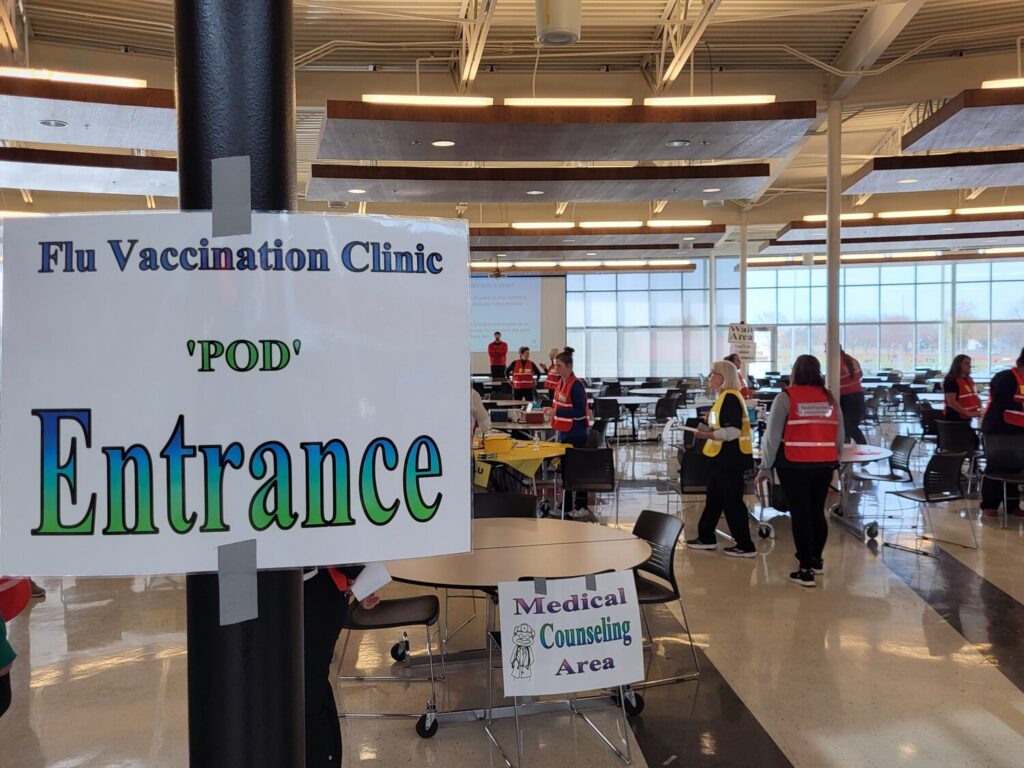
In Brookings, reports starting coming in from Brookings High School, South Dakota State University and Sanford Brookings Clinic in October regarding pertussis cases. A shot clinic dispensing TDaP effective against tetanus, diphtheria and pertussis and influenza vaccines took place on Oct. 28.
Brookings County Emergency Manager Bob Hill told the Brookings Register in a Dec. 3 story that a total of 216 TDaP vaccines were distributed at the event and local nursing homes. He added that 73 influenza vaccines were given at the event.
Meanwhile, the DOH encourages South to take the following steps to avoid becoming sick or spreading disease:
- Avoid close contact with sick people.
- If sick, limit contact with others.
- Cover your mouth and nose when you cough or sneeze.
- Cough or sneeze into your upper sleeve or elbow, not your hands, if you dont have a tissue.
- Wash your hands often with soap and water or use an alcohol-based hand gel.
- Avoid touching your eyes, nose and mouth.
Pertussis is spread from person to person when breathing in respiratory particles from an infected person. The respiratory particles are spread when a person with pertussis sneezes or coughs.
It usually takes seven to 10 days after exposure to develop symptoms. Early symptoms resemble the common cold with runny nose, low-grade fever, and mild cough, which are more severe at night. Later symptoms (within two weeks) include numerous rapid coughs followed by a high-pitched whoop, and mucus discharge or vomiting following a coughing episode.
Antibiotics are effective at stopping a person who is sick from spreading pertussis. Five days of treatment is needed to stop the bacteria from spreading, even though the person may continue to cough. Without antibiotics, a person can spread the pertussis bacteria for 21 days.
For more information on pertussis, visit the state Department of Health website.
Leave a Reply