
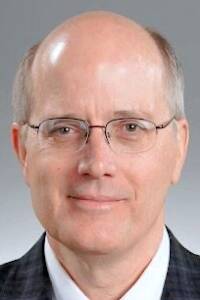
As a reproductive endocrinologist in Sioux Falls, I’ve spent my career taking care of patients who trust me to always be there when they need help. I see the relief in their eyes when we catch something early. I’ve shared their concerns when a diagnosis comes back unclear. And I’ve felt their gratitude when we work together to manage a chronic condition.
I’m passionate about this work, but lately, it’s become increasingly difficult for South Dakotans in rural areas to access care. The vast majority of our state suffers from a severe shortage of doctors — a problem worsened by unsustainably low payments from Medicare.
The Medicare Physician Fee Schedule (MPFS) — the complex system that the federal government uses to determine how physicians get paid for providing care to Medicare beneficiaries — isn’t keeping up with the reality of running a practice in such a rural state. It neither keeps pace with the cost of providing care, nor does it account for rising inflation. And it’s putting doctors in a tough spot.
Everything it takes to run a medical office has gotten more expensive. Staff deserve fair wages. Insurance goes up. Supplies cost more. Medicare payments haven’t risen to match any of that.
And unlike hospitals or nursing facilities, physicians don’t get automatic inflation updates. When adjusted for inflation, Medicare now pays doctors 33% less than it did in 2001. Most people assume that if you’re treating Medicare patients, you’re reimbursed for the cost of treating them. But for America’s doctors, that hasn’t been the case for a long time.
As costs rise across the board and reimbursement is slashed year after year, doctors are still expected to provide modern care. But no business could survive under conditions like that. We employ community members. We balance budgets. And we’re fixtures of our communities.
Insufficient Medicare payments have forced too many physicians to make heartbreaking decisions. Some physicians have had to stop accepting new Medicare patients. In a state where 18% of our population receives Medicare benefits, this is making it harder for seniors to access medical care.
Meanwhile, some physicians have made the difficult choice to leave the practice of medicine. This is pushing South Dakota deeper into a physician shortage. No matter how you slice it, the impact of Medicare’s inability to keep up with practice costs has an impact on patient care.
With fewer options in rural communities, patients lose access to doctors who know them by name and who they’ve trusted for years. Over half of South Dakota’s counties have been designated health professional shortage areas. Failing to address the physician payment system will only further this worrying trend. This ultimately leaves seniors with a choice between driving farther for basic appointments or waiting weeks just to be seen. Practice closures can transform a rural community into a health care desert.
Next year’s modest Medicare payment increase is welcome news. After five straight years of cuts, it’s a relief to finally see a step in the right direction. But one small bump in payments doesn’t fix years of chronic underpayments. It’s a temporary patch when what we need is real reform.
For the good of South Dakotans and the physicians who dedicate their lives to treating them, Medicare needs a payment system that reflects the real cost of providing care. That means giving physicians the same kind of inflationary updates other providers already receive. It also means fixing outdated budget rules that create sudden, unpredictable cuts whenever a new service is added somewhere else in Medicare.
We can’t keep holding up the system without a payment structure that supports the work we do. Next year’s increase is a good start. Now Congress needs to finish the job and reform the Medicare Physician Fee Schedule for good so that patients across South Dakota and the United States can get the timely treatments they need right in their communities.
— This commentary was written by Dr. Keith Hansen, president of the South Dakota Medical Association, for South Dakota Searchlight, an online news organization.
Leave a Reply