
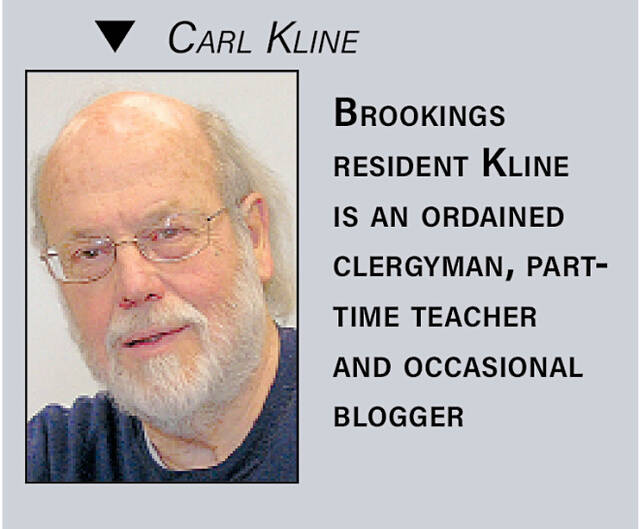
I’m writing this on our wedding anniversary. I’m not saying how many years we’ve been married. That may enable people to figure out my age. You know, the older people get, the less seriously they are taken. I’d like to be taken at least as seriously as our 100-year-old friend or our 79-year-old president. (You do take him seriously, don’t you)?
In the United States, the median age for a marriage to last is 20-21 years. Most divorces happen after eight years, although many can also happen after children have left the home. These are called “gray divorces.” 41% of marriages reach year 25. 8% reach year 50, the “golden” anniversary. Only 1 to 2% reach the diamond anniversary of year 60. In the U.S., this is an exclusive club.
My wife and I were married in a time when marriages were expected to last. A divorce indicated a failure of one or both parties. But by 1980, divorce hit an all time high in this country, with 14.4% of divorces among 1,000 married women. That percentage has since gone down as young people marry later and are better educated.
There are “Four Horsemen” identified by relationship researcher Dr. John Gottman, that predict divorce with some 90% accuracy. They are: criticism, contempt, defensiveness and stonewalling. They range from attack to withdrawal. They are patterns of behavior that develop over time and left unchecked, gradually make married life intolerable.
There are a couple of things from my own marriage that I’ve found helpful in terms of our longevity. The first has to do with freedom for, and from, the other. To think that you have to do everything together is simply creating problems. Sometimes we are attracted to different vocations, or avocations, and interest and energy is shared with those concerns. Women (or men) are not pawns in a sexist society, always at the beck and call of the other. There is some degree of personal life and individual spirit of the other, that is accepted as important, even critical, to the relationship.
This is also true when it comes to friends. Sometimes you have common friends and you do things and visit with each other as couples. But sometimes it’s important to have our own individual friends. We can talk about our lives with a degree of openness and candor with them, that we might not be able to share in a couples conversation.
Although we haven’t actually practiced it, the idea shared with my wife and I by Peace Pilgrim, when she was a guest in our home, has stayed with me. She suggested that when the disagreement and anger level was about to reach a peak, that there’s an understanding between the parties to stop. Both people will leave the home to walk around the block, going in different directions. When they pass each other and are calmed down enough to communicate about the problem, one person turns around and they continue walking in the same direction and discussing a way to resolve their differences.
In our relationship, we haven’t done the walking. But we have taken advantage of “time outs.” When the issue begins to extract some level of deeper feeling, it’s time to take a break. Perhaps we return to the concern at a later time that day, or even a later day, if a decision is not required immediately.
There are often things outside our control that can impact a marriage. A child dies. A job disappears. A third party intervenes. A physical sickness occurs. A mental illness develops. A spirit of restlessness, tedium, weariness, or ennui slowly begins to encompass the relationship. Trust is lost!
Sometimes we need an even deeper grounding than other persons to sustain a relationship through the tough times. Sometimes we need to trust that deeper spirit of life, that renews damaged trees, heals damaged bodies, and produces beautiful flowers out of seeds, earth and water.
Leave a Reply